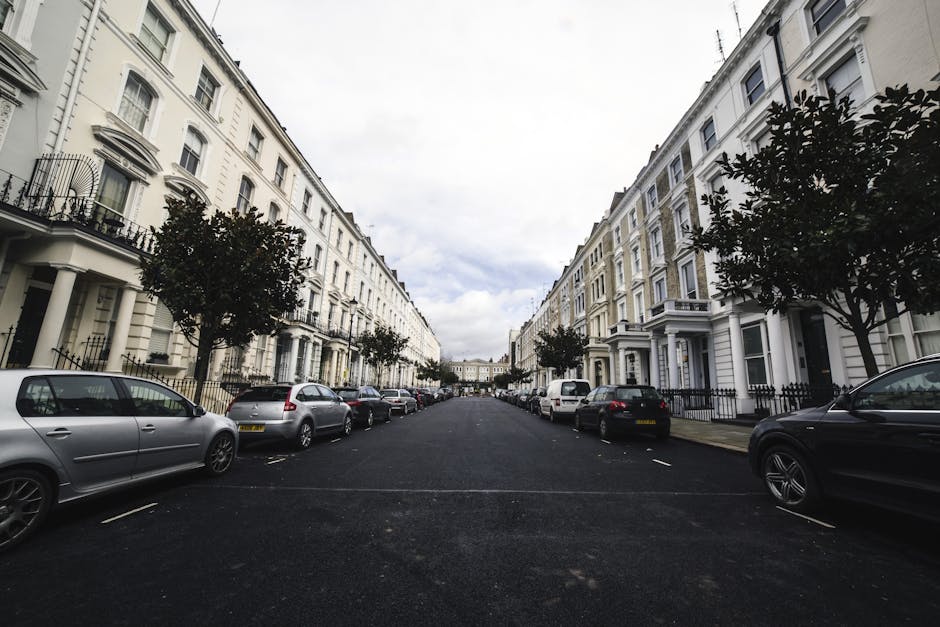
Cranbrook Road IG2 House Removals: Best Routes and Parking Tips
Moving house on Cranbrook Road in IG2 can be straightforward if you plan the route, the parking, and the loading order before the van even pulls up. Sounds simple, but in real life it's the little things that trip people up: a narrow gap left by parked cars, a missed turn, a neighbour's car blocking the bay, or a sofa that is suddenly much bigger than the hallway looked on moving day. If you are organising Cranbrook Road IG2 house removals best routes and parking tips, this guide walks you through the local realities, not just the theory.
You'll find practical route guidance, parking advice, common mistakes to avoid, and a sensible checklist for moving day. It also points you to useful service pages like house removals in Ilford, man with a van support, and pricing and quotes if you want to compare service options before booking. Let's make the move feel a bit less chaotic, shall we?
Table of Contents
- Why Cranbrook Road IG2 house removals best routes and parking tips Matters
- How Cranbrook Road IG2 house removals best routes and parking tips Works
- Key Benefits and Practical Advantages
- Who This Is For and When It Makes Sense
- Step-by-Step Guidance
- Expert Tips for Better Results
- Common Mistakes to Avoid
- Tools, Resources and Recommendations
- Law, Compliance, Standards, or Best Practice
- Options, Methods, or Comparison Table
- Case Study or Real-World Example
- Practical Checklist
- Conclusion
- Frequently Asked Questions
Why Cranbrook Road IG2 house removals best routes and parking tips Matters
Cranbrook Road sits in a busy part of Ilford, where traffic, buses, side streets, and parked cars all compete for space. That means the "best" moving route is not always the shortest one. It is the route that lets your van arrive on time, park legally or safely, and load without everyone getting stressed or shouted at from behind a horn. Truth be told, the difference between a smooth move and a messy one is often just planning.
For house removals, route and parking planning matter because they affect almost everything else:
- how long the van needs to wait outside
- whether heavy items can be carried safely
- how much walking time the team loses between the property and the vehicle
- whether neighbours or passing traffic are inconvenienced
- how likely you are to miss a time slot, lift booking, or handover deadline
It also matters from a business point of view. A crew that can park close, load efficiently, and avoid unnecessary back-and-forth is usually able to work more calmly and protect your belongings better. If you want a wider look at the services that support this kind of move, the services overview is a useful place to start, especially if you are comparing full removals with a smaller van-based move.
And yes, parking can be the part people underestimate. You may think, "I'll just find a space when I get there." On a normal Tuesday that might be fine. On moving day, with wardrobes out, children underfoot, and a van trying to slot into a tight road, that approach can unravel fast.
How Cranbrook Road IG2 house removals best routes and parking tips Works
The process is really about three decisions: when to move, which way the vehicle should approach, and where it should stop. Once those are set, the rest becomes easier. A good removals plan around Cranbrook Road usually starts with a simple question: what is the van size, and can it safely get close to both properties?
For local moves in IG2, a route plan should consider:
- peak traffic periods and school-run congestion
- width of the road and how much space parked cars leave
- turning room for the vehicle
- distance from the vehicle to the front door
- any narrow access, low branches, or awkward bends
Parking is the other half of the puzzle. In a residential area, there may be yellow lines, permit restrictions, bay markings, dropped kerbs, or simply a lack of available space. In some cases, the safest move is to use a shorter van or a shuttle style load, where a larger vehicle is parked a little further away and smaller trips are used only if needed. That is not ideal every time, but sometimes it is the cleanest solution.
If your move is urgent or timing is tight, it is worth looking at same-day removals in Ilford. That can be useful when a landlord, completion schedule, or unexpected change leaves you with little breathing room. And if your move involves furniture that needs careful handling, the page on furniture removals explains the kind of support that makes awkward items less of a headache.
Key Benefits and Practical Advantages
When the route and parking plan are right, the whole move tends to feel calmer. Not glamorous. Just calmer. That is a benefit in itself.
Here are the main practical advantages:
- Less waiting time: the van can get in, stop, and start loading without circling the block.
- Safer lifting: a shorter carry distance means less strain and less risk of bumps and scrapes.
- Lower disruption: neighbours, pedestrians, and passing traffic are less likely to be affected.
- Better timing: you are less likely to slip behind schedule during key handover windows.
- Cleaner decision-making: if parking is difficult, you know in advance whether to use a smaller van, a different time slot, or extra help.
There is also a financial angle. Efficient access can reduce wasted time, and wasted time often becomes the hidden cost people notice only afterwards. If you are at the comparison stage, removal services in Ilford and removal companies in Ilford are good pages to review alongside the pricing and quotes page. The cheapest quote is not always the best fit if the route access is awkward and the van cannot stop near the door.
Practical summary: good route planning is not about being overly cautious. It is about reducing the number of small problems that can become big ones when everyone is tired, clocks are ticking, and boxes are everywhere.
Who This Is For and When It Makes Sense
This kind of local planning helps a wide range of movers, but it is especially useful if you fall into one of these groups:
- families moving into or out of a house on Cranbrook Road
- tenants handing back keys on a fixed date
- homeowners completing on a same-day or tightly scheduled move
- older residents who want fewer steps and less heavy lifting
- people moving bulky furniture, appliances, or fragile items
- anyone using a smaller van or man-and-van style service
It also makes sense if you have experience of Ilford traffic and know that a "quick run" can turn into a slow crawl if you hit the wrong time of day. If you are still weighing up whether the area suits your move, these local reads can be helpful: what locals say about Ilford and the appeal of Ilford for people leaving central London. They give a broader feel for the area, which can quietly help with moving decisions too.
There is another situation where this guide matters: if you are moving into a flat or upstairs property on the same road or nearby. Even a small move can become fiddly when the nearest legal stop is not right outside. In those cases, planning the approach in advance saves a lot of backtracking. If that sounds like your situation, have a look at flat removals in Ilford as well.
Step-by-Step Guidance
Here is a sensible way to organise the move. Not perfect, but solid. And solid is what you want on moving day.
- Check the property access first. Look at the front of the house, the pavement width, and whether the van can stop close enough without blocking everything. If possible, stand outside at the time of day you expect to move.
- Decide the vehicle size. A larger van can be efficient, but only if the road allows it to manoeuvre and park. A smaller vehicle may be slower in pure volume terms, yet quicker overall if access is tight.
- Map the likely route. Choose a route that avoids unnecessary bottlenecks where possible. Around Ilford, a slightly longer road can sometimes save you five awkward turns and a lot of patience.
- Confirm the parking arrangement. Check whether a driveway, bay, permit space, or short-term stopping area is available. If not, plan the nearest practical stop and how items will be carried from there.
- Prepare the packing order. Heavy, awkward, or frequently used items should be easy to reach. If you are not packed yet, packing and boxes in Ilford can help you sort the basics without overcomplicating things.
- Load in a sensible sequence. Put heavier items in first and fragile items where they will not be crushed or shifted. A moving van is not a mystery box, even though it sometimes ends up looking like one.
- Keep the front access clear. Hallways, stairwells, and doorways should be free of loose bits, shoes, and half-open boxes. This is one of those small details that makes a surprisingly big difference.
- Do a final walk-through. Check cupboards, loft spaces, behind doors, and the meter area. The last thing you want is to remember the kettle only after the van has left. Been there, sadly, many times people have been there.
One more practical point: if you are moving from a storage unit or need temporary overflow space, it may help to explore storage options for the area. Not every move is a straight line from one home to another.
Expert Tips for Better Results
A few local, experience-based tips can save you time and a fair bit of stress.
- Move earlier if possible. Morning starts usually give you a cleaner run before the day becomes crowded. There is less pressure, and the road tends to feel less frantic.
- Use a helper for parking watch. If a second person can stand outside and guide the driver, the van can park more confidently. Simple, but effective.
- Protect your walking route. If there is a narrow entry, lay down something to reduce scuffs and dirt transfer. A damp mat at the door can be surprisingly handy on a wet London day.
- Keep the essentials separate. Documents, chargers, keys, medication, and tea supplies should not disappear into the main load. Seriously, keep the tea accessible. You'll thank yourself later.
- Think in terms of stopping points. Sometimes the best parking place is not directly outside the house but a short, legal, safe stop nearby. Then the move becomes a controlled carry rather than an awkward shuffle.
- Check insurance and safety expectations. A professional move should not feel reckless. If you want to understand how the team approaches protection and care, the insurance and safety page is worth a look.
One small but important human tip: walk the route with your hands full of nothing. Just once. Pretend you are carrying a box from the front door to the van. You'll immediately notice the curb height, the corner angles, and any patch of pavement that feels awkward. That little rehearsal often reveals more than a map does.
Common Mistakes to Avoid
Most moving day problems are predictable. Annoyingly predictable. The good news is that means they are avoidable.
- Assuming parking will sort itself out. It might. Or it might not, and then the entire timeline slips.
- Booking the wrong vehicle size. Too large and you may struggle with access; too small and you may waste time on extra trips.
- Ignoring the time of day. A route that works at 9 a.m. can feel very different at school-run or commuter times.
- Leaving bulky furniture until last. That is how people end up doing the worst lift when everyone is tired.
- Blocking the path with loose boxes. It slows the crew and creates a tripping risk.
- Forgetting the final check. Cupboards, window ledges, sheds, the garage, the under-stairs cupboard. All of it.
Another subtle mistake is not telling your removals provider about access issues early enough. If there is a tight gate, shared driveway, permit restriction, or awkward turning space, say so early. It is much easier to plan around a problem than to discover it while the van is already outside. If you are still deciding between a few service styles, man and van in Ilford and removal van options can help you compare a lighter, more flexible move with a fuller house move.
Tools, Resources and Recommendations
You do not need a toolkit the size of a workshop. But a few practical items make life easier.
- Strong boxes and tape: sturdy packaging prevents re-packing halfway through the day.
- Furniture covers and blankets: useful for doors, tables, mirrors, and anything with a vulnerable finish.
- Marker pens and labels: the dullest tool on the list, maybe, but often the most useful.
- Phone flashlight: good for dark hallways, cupboards, and under furniture.
- Basic floor protection: helpful when moving in wet weather or across polished flooring.
For packing support, the pages on packing and boxes in Ilford and the closely related package and boxes page can help you get organised before moving day. If you are relocating a single item or a small load, man with van in Ilford and man with a van in Ilford are useful service pages to review.
If you want to understand the company side a bit better before making contact, the about us page and customer testimonials are both worth a look. And if you are browsing ideas or local articles, the blog section has more useful moving-related guidance.
Law, Compliance, Standards, or Best Practice
For a house move, the main compliance concerns are usually practical rather than legal drama. Parking restrictions, road safety, insurance, and access rules matter most. If a vehicle stops where it should not, or blocks a driveway, footway, or restricted bay, you can create delays and potentially fines or complaints. So the safest approach is to plan conservatively and avoid assuming a space is "probably fine."
Professional movers should also work in a way that reduces injury and damage risk. That means sensible lifting, proper handling of heavy items, and good communication when manoeuvring furniture through tight spaces. It is not about making the day overly formal. It is about being careful where care is needed. Quite a normal standard, really, but not always followed as well as it should be.
If you are checking the provider side of things, the pages on health and safety policy, terms and conditions, privacy policy, and payment and security can give you a clearer sense of how bookings, customer data, and payment handling are managed. If something goes wrong, it is also helpful to know there is a complaints procedure in place.
In plain English: good practice means legal parking, careful lifting, clear communication, and no guesswork where access is tight.
Options, Methods, or Comparison Table
Different homes and moving loads call for different methods. A quick comparison helps.
| Method | Best for | Strengths | Trade-offs |
|---|---|---|---|
| Full house removals | Large family homes, lots of furniture, complete household moves | Efficient loading, fewer trips, better for bigger jobs | Needs more space, more planning, and a clear parking plan |
| Man and van | Smaller household moves, partial loads, quick local relocations | Flexible, often easier to place on tighter streets | May need more than one trip for larger moves |
| Flat or narrow-access move | Properties with limited parking or stair access | Can be adapted to awkward access and shorter carry distances | Timing matters more, and manual handling becomes more important |
| Storage plus move | Staged relocations, delays between move-out and move-in | Useful when dates do not align neatly | Requires an extra step and a bit more coordination |
If you are moving a straightforward household, the main job is route choice and parking. If you are moving a bigger home or a home with awkward access, a more complete service is often worth it. In many cases, people end up choosing the middle ground: flexible enough to handle the road, but strong enough to handle the furniture. That balance matters.
Case Study or Real-World Example
Here is a realistic example based on the kind of move people often make around IG2.
A family moving from a terraced house near Cranbrook Road had a completion scheduled late in the morning. The new property was only a short drive away, but the road outside the old house was already busy with parked cars. Rather than gamble on a long vehicle and hope for a gap, they chose a slightly smaller van and arranged the start time early.
On the day, one person stood outside to guide the driver while another kept the hallway clear. The team parked a short distance from the front door rather than trying to force a poor space. That meant a longer carry, yes, but the van was stable, legal, and out of the way. The loading took a bit longer than they first expected, but the day stayed calm, and there was no last-minute scramble when the keys were handed over.
The useful lesson? The shortest route is not always the best move. A slightly more practical route and a safer parking spot can save the day. People often feel relieved once they realise that. You do not need perfection. Just a plan that works.
Practical Checklist
Use this simple checklist before moving day. Print it, screenshot it, scribble it on paper, whatever works.
- Confirm the move date, arrival time, and access details
- Check whether parking is available close to the property
- Decide whether a smaller or larger van is more suitable
- Tell the removals team about narrow gates, stairs, or shared access
- Pack essentials separately for easy access
- Label boxes by room and priority
- Protect fragile items and furniture surfaces
- Clear hallways, porches, and entry points
- Keep keys, documents, and phone chargers with you
- Do a final check of cupboards, lofts, sheds, and drawers
- Make sure the new address is ready for delivery and access
And one extra line, because it helps: if something looks awkward the day before the move, say so. Do not wait and hope it sorts itself out. That rarely ends well, to be fair.
Conclusion
Cranbrook Road IG2 removals are much easier when you treat route planning and parking as part of the move, not an afterthought. A good access plan reduces stress, saves time, and helps the whole day feel more controlled. Whether you are moving a full family home or a smaller local load, the same rule applies: make the vehicle's job easier and everything else gets easier too.
If you are still comparing options, start with the service pages that fit your move type, check the company policies, and think through your parking before the first box is lifted. That small bit of prep can make a surprisingly big difference. And honestly, on moving day, small differences are everything.
Get a free quote today and see how much you can save.
If you want a trusted place to start, visit the contact us section and outline your property type, access issues, and preferred timings. A clear brief at the start usually leads to a smoother move at the end.
Frequently Asked Questions
What is the best route for house removals on Cranbrook Road IG2?
The best route is usually the one that avoids unnecessary congestion, allows safe van access, and keeps the walk from the vehicle to the property as short as possible. Shortest is not always best. A slightly calmer road can make the move much smoother.
How far in advance should I sort out parking for a move on Cranbrook Road?
As early as you can. If parking is limited, think about it during booking rather than on the morning of the move. That gives you time to choose the right vehicle size and discuss any access issues with the removals team.
Do I need a bigger van for a house move in IG2?
Not always. A bigger van helps if you have lots of furniture and boxes, but a smaller van may be better if the road is tight or parking is difficult. The right choice depends on both the load and the access.
What if there is no space right outside my house?
Then plan the closest safe and legal stopping point and allow for a longer carry. In some cases, a smaller vehicle or a staged load makes more sense. It is better to park sensibly than try to force a bad space.
Are man and van services suitable for Cranbrook Road moves?
Yes, especially for smaller homes, partial loads, and moves where access is tricky. They are often flexible and can work well on roads where a large lorry would be awkward.
How can I make moving day less stressful?
Pack early, label boxes clearly, keep essentials separate, and confirm parking and arrival times in advance. If the removals team knows the access details, they can plan much better. That alone removes a lot of pressure.
What should I tell the removals company before the move?
Tell them about parking restrictions, narrow driveways, stairs, fragile items, heavy furniture, and any time constraints. The more accurate the information, the fewer surprises on the day.
Is same-day removal a good option if my plans change suddenly?
It can be, if the property access and the load size are manageable. Same-day moves are usually best for urgent local relocations rather than very large, complex house moves. If time is tight, see same-day removals in Ilford.
Can I combine removals with storage if the dates do not line up?
Yes. That is a common solution when move-out and move-in dates do not match cleanly. Storage can take the pressure off and give you more control over the timing.
How do I know whether I need full removals or a simpler service?
If you have a full household, lots of furniture, or a tight timetable, a full removals service is often the safer choice. If you only have a few items or a small local move, a more flexible van-based service may be enough.
What are the most common parking mistakes people make on moving day?
The biggest ones are assuming a space will appear, forgetting to check restrictions, and underestimating how much room the van needs to manoeuvre. A bit of advance planning saves a lot of last-minute panic.
Where can I compare moving services and get a quote?
You can start with the pricing and quotes page and then look at the service pages that match your move. If you want a broader overview, the services section is a sensible next stop.